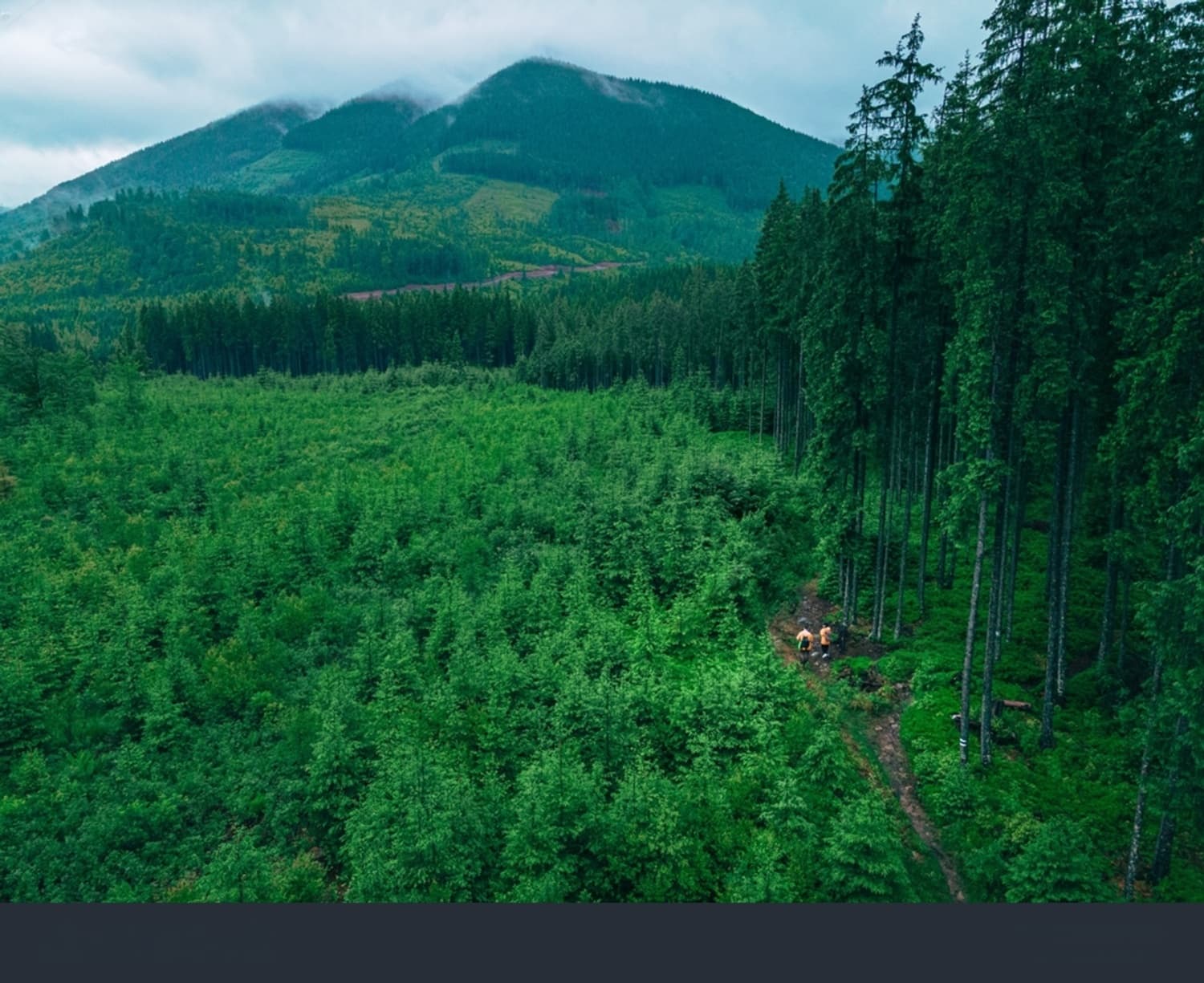
Why Tanzania Should Be on Every Traveler's Heart and Mind
An invitation to see the world in its rawest, richest form
Imagine standing in a place where the heartbeat of the natural world echoes across open plains, where ancient cultures still sing the stories of people and land, and where mountains rise like silent witnesses to time. This is Tanzania — not just a destination, but an invitation to see the world in its rawest, richest form.
In an era where travel often feels like a blur of selfies and hurried checklists, Tanzania forces you to slow down. It challenges you to feel, to observe, to reflect.
Here, every road bends into wonder, and every horizon reveals another layer of the planet's story.
A Sanctuary of Life
Wildlife Beyond Compare
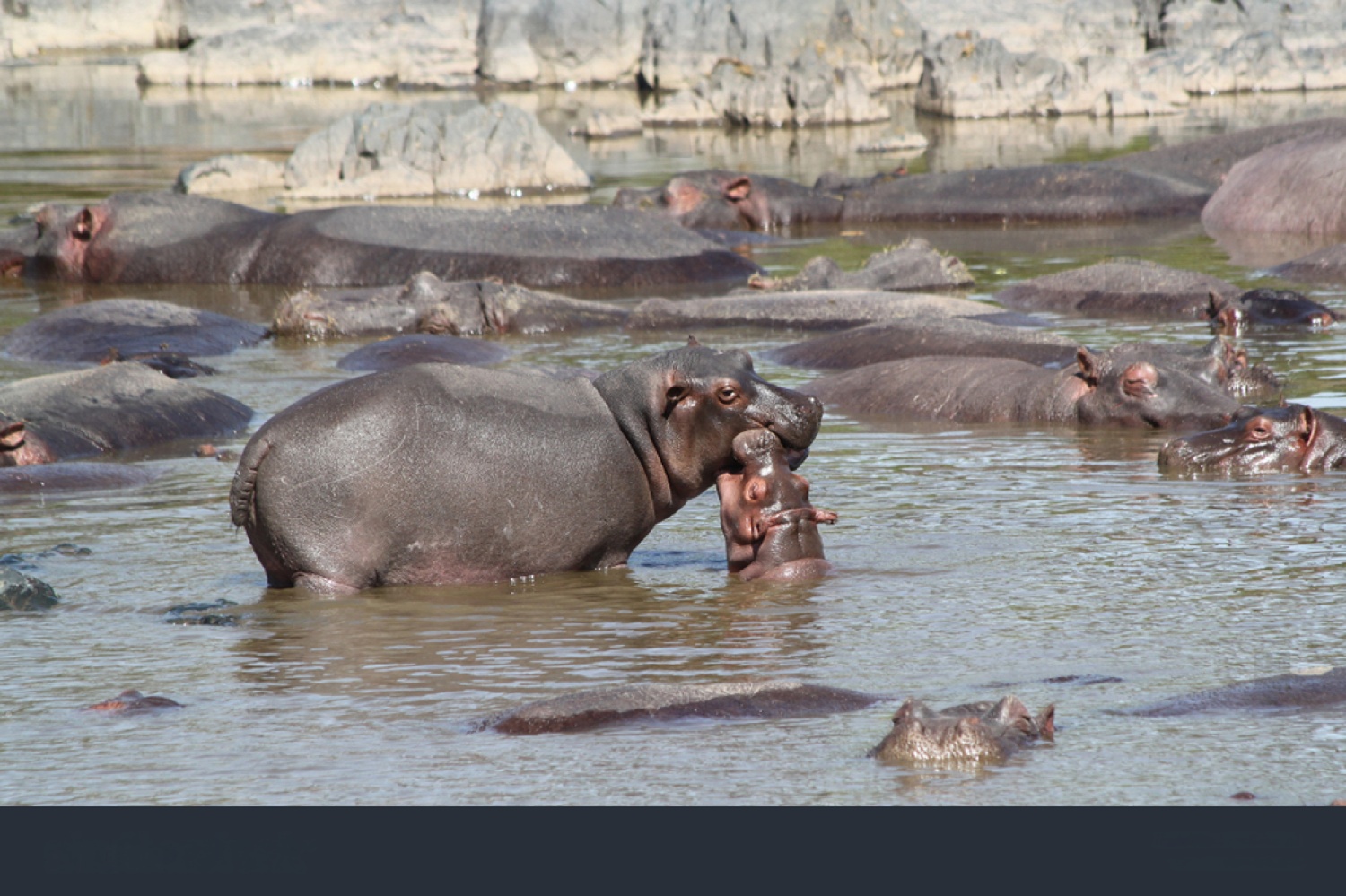
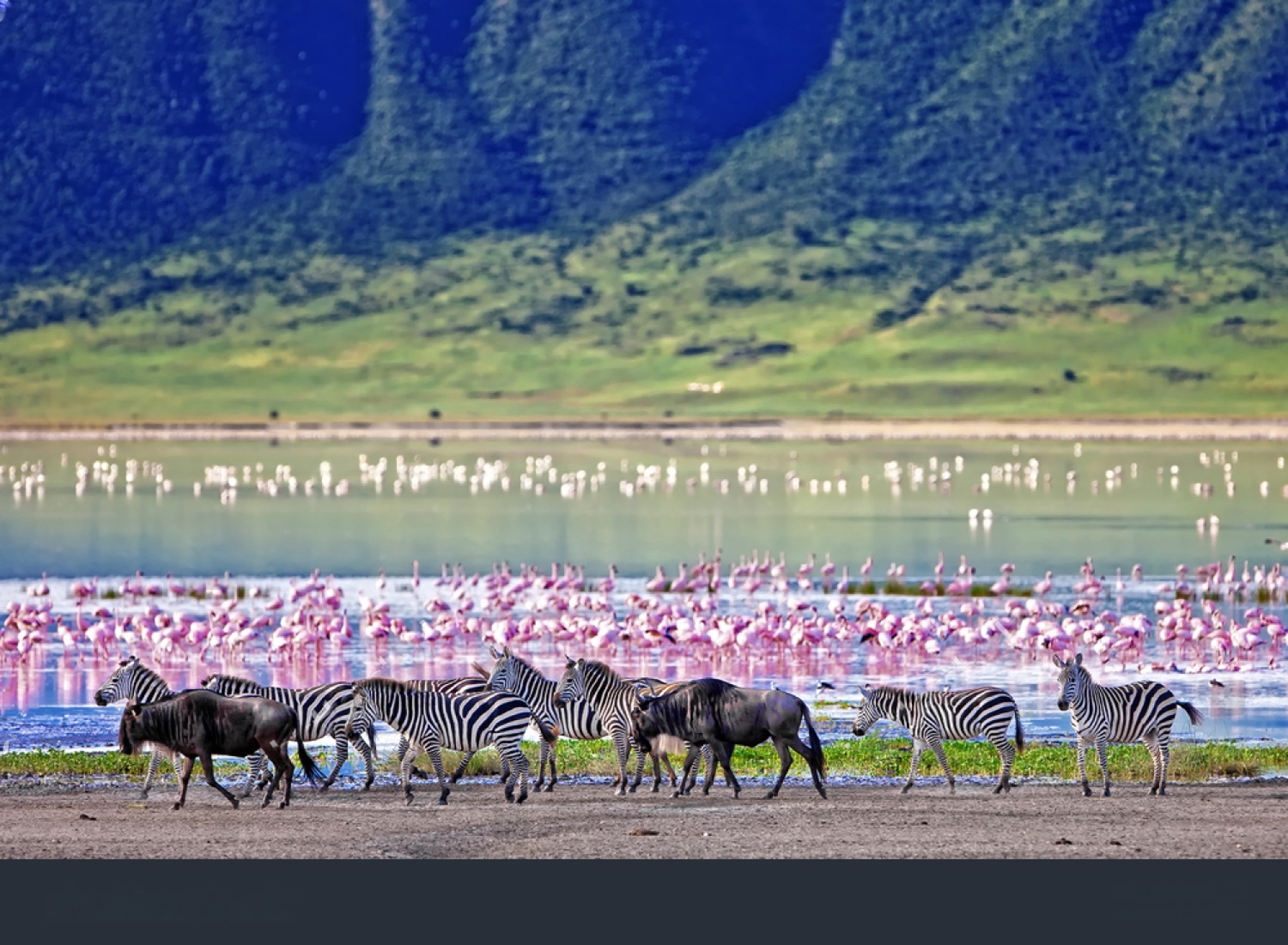
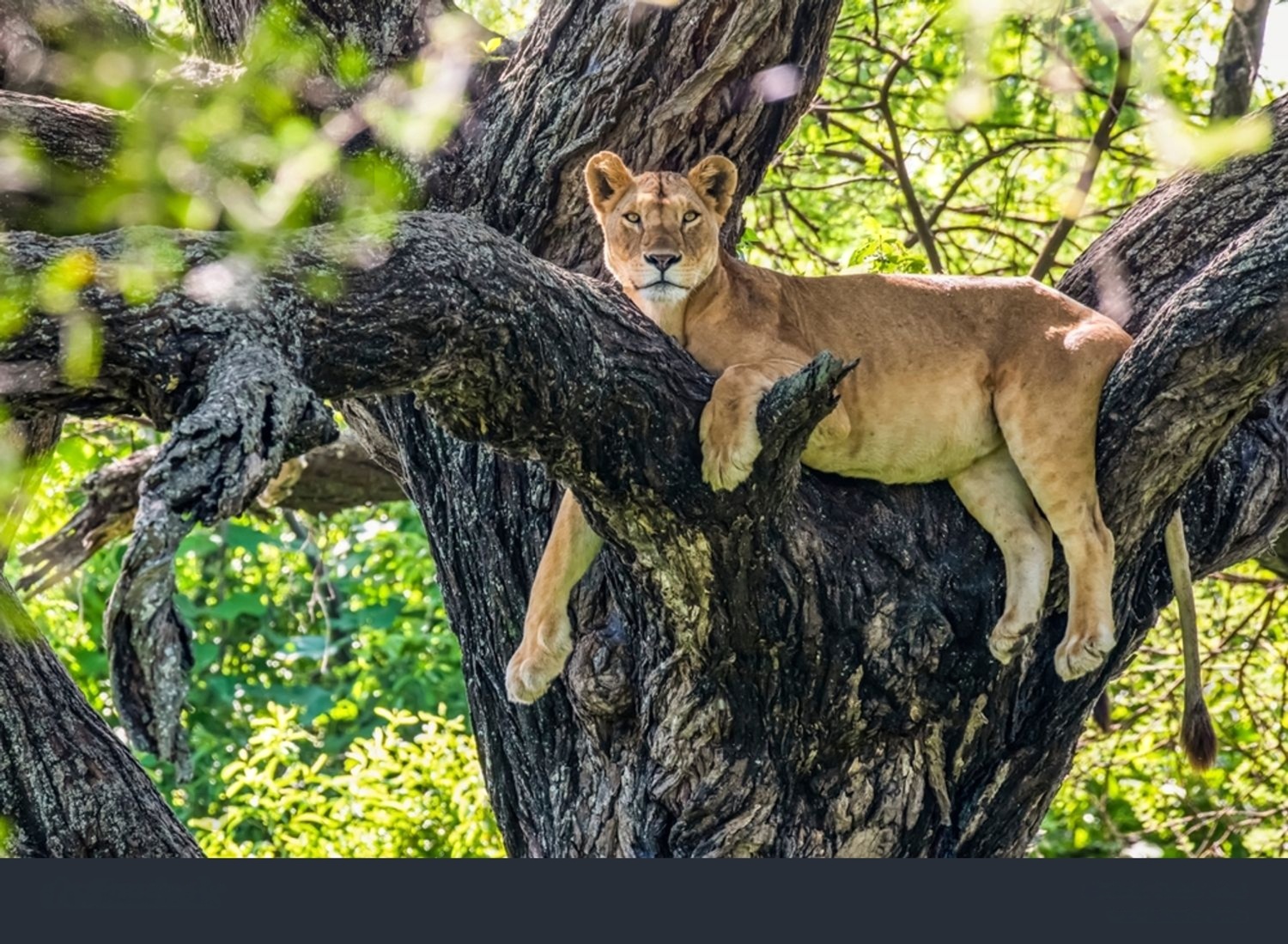
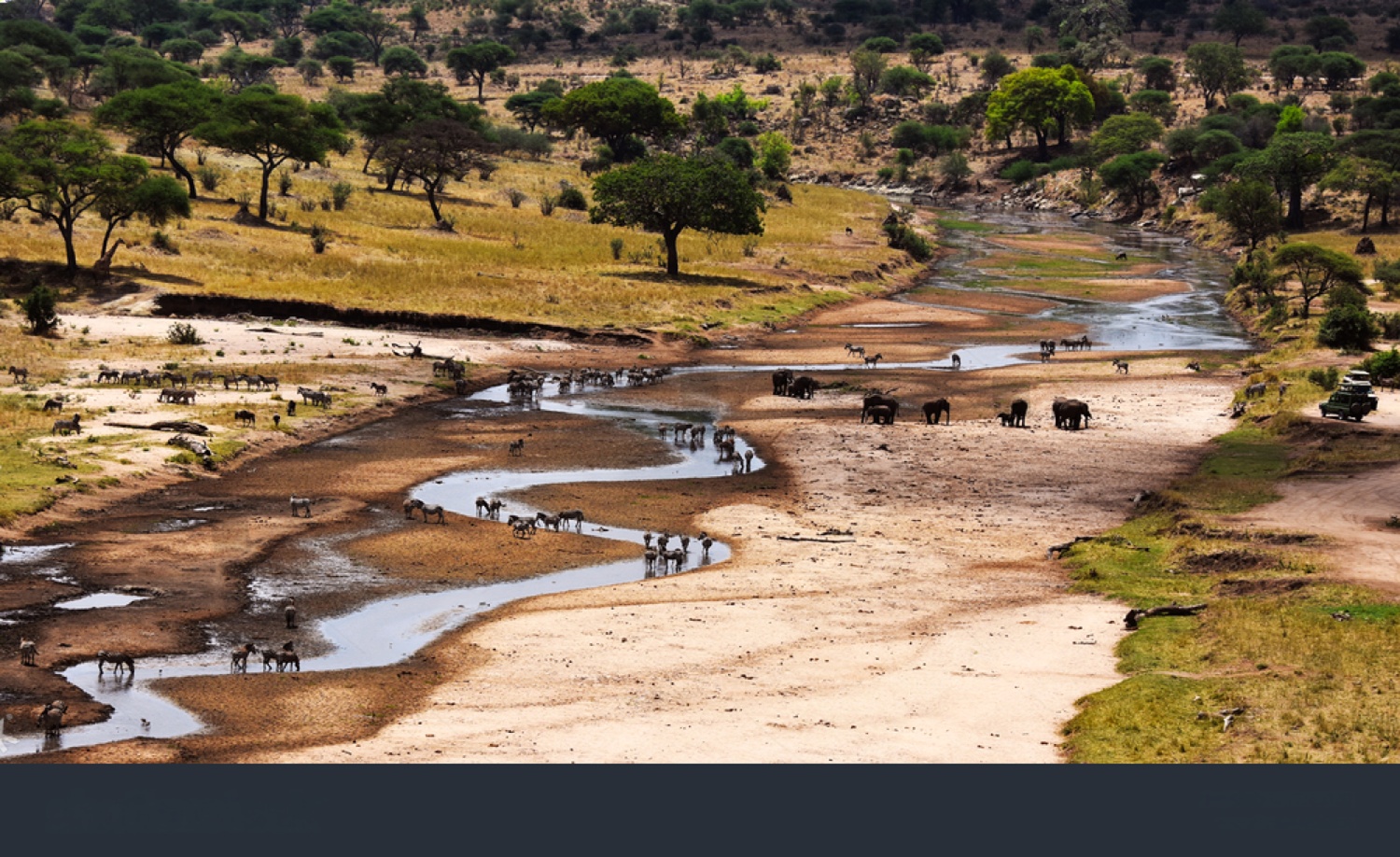
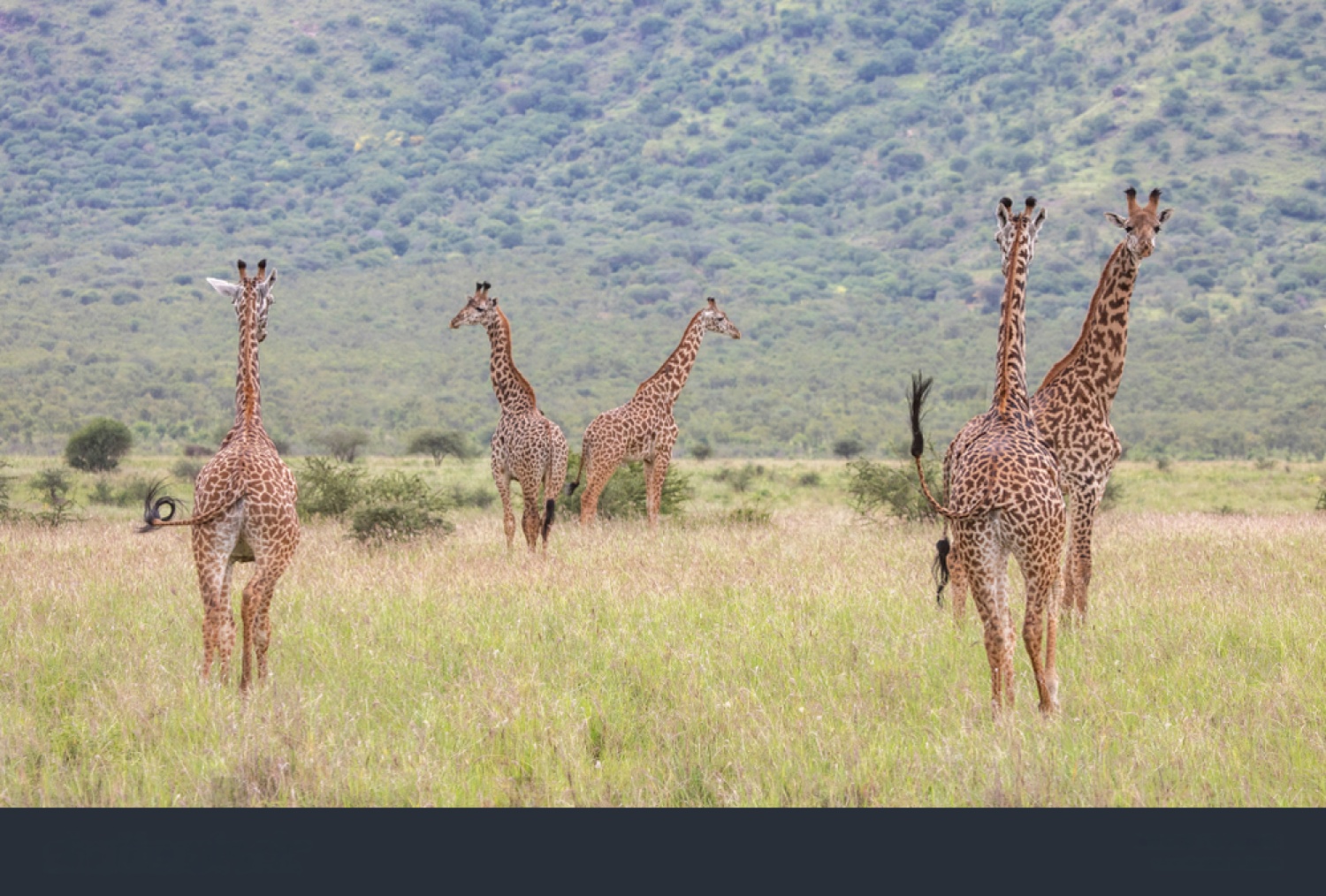
Tanzania is one of the last great strongholds of wildness on Earth. Nearly a quarter of the country's land has been designated for conservation, making it one of the richest places on the planet for observing large mammal species in their natural homes. From lions and elephants to leopards and rhinos, the array of life in Tanzania's protected areas is staggering.
The Serengeti, perhaps Tanzania's most famous park, is home to the Great Migration — an annual journey by millions of wildebeest, zebras, and gazelles in search of greener grass. This is not just wildlife viewing; it is witnessing life's grand rhythms on a scale that makes human existence feel both small and sacred.
This is not just wildlife viewing; it is witnessing life's grand rhythms on a scale that makes human existence feel both small and sacred.
And it's not just the mass spectacle. In places like Ngorongoro Crater, a natural caldera teeming with biodiversity under the shelter of its volcanic walls, wildlife thrives among dramatic landscapes that seem forged by myth.
These aren't static scenes like photos in a book. They are living, evolving processes that teach resilience, balance, and deep interdependence.
Landscapes That Whisper of Time
Tanzania's landscapes are not merely beautiful — they are elemental
At the highest point in Africa stands Mount Kilimanjaro, its snow-capped peak etched against a sky that seems too deep, too vibrant to be real. Climbing Kilimanjaro isn't just a physical challenge but an encounter with a world that blends geology, climate, and human aspiration.
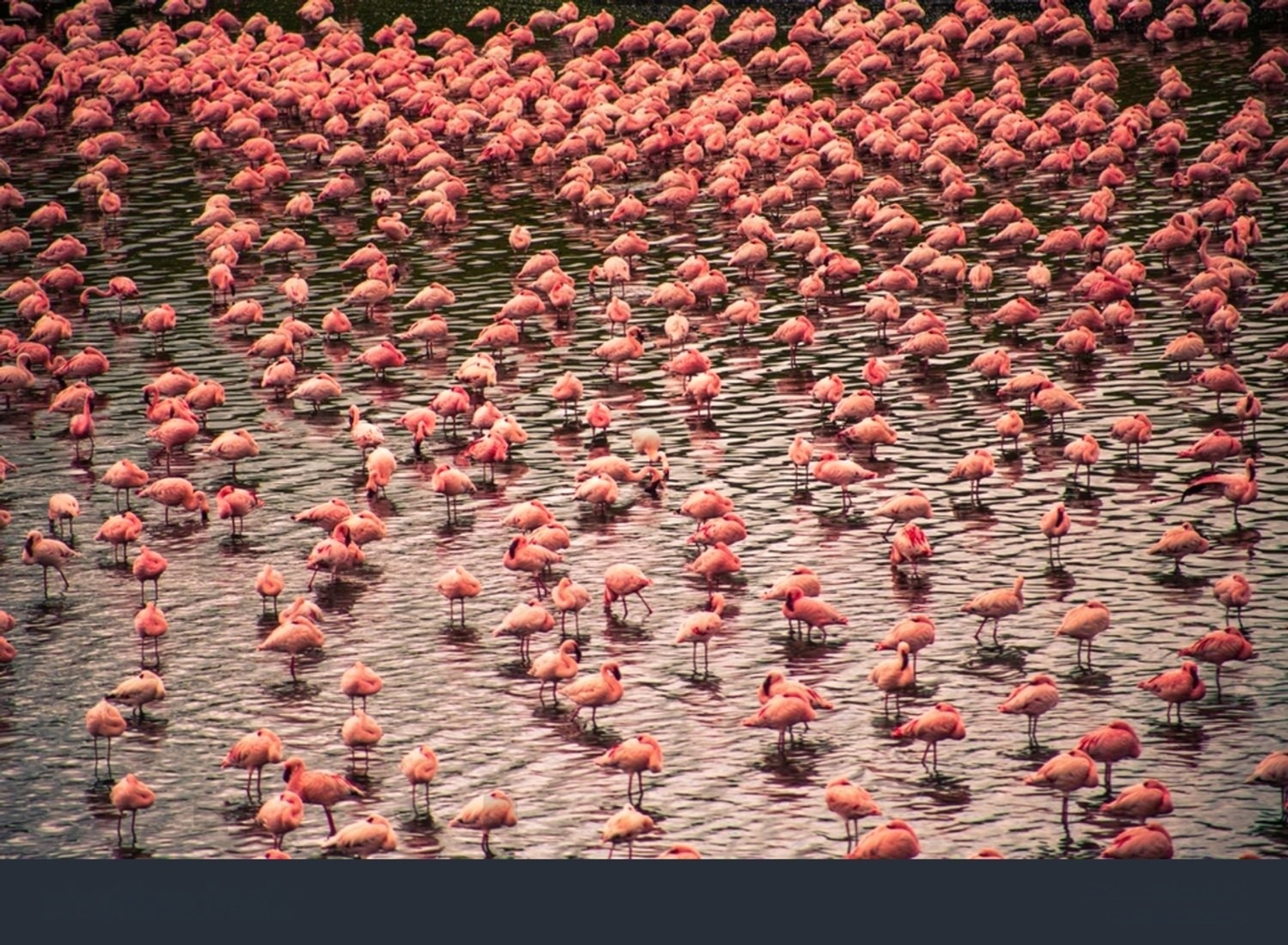
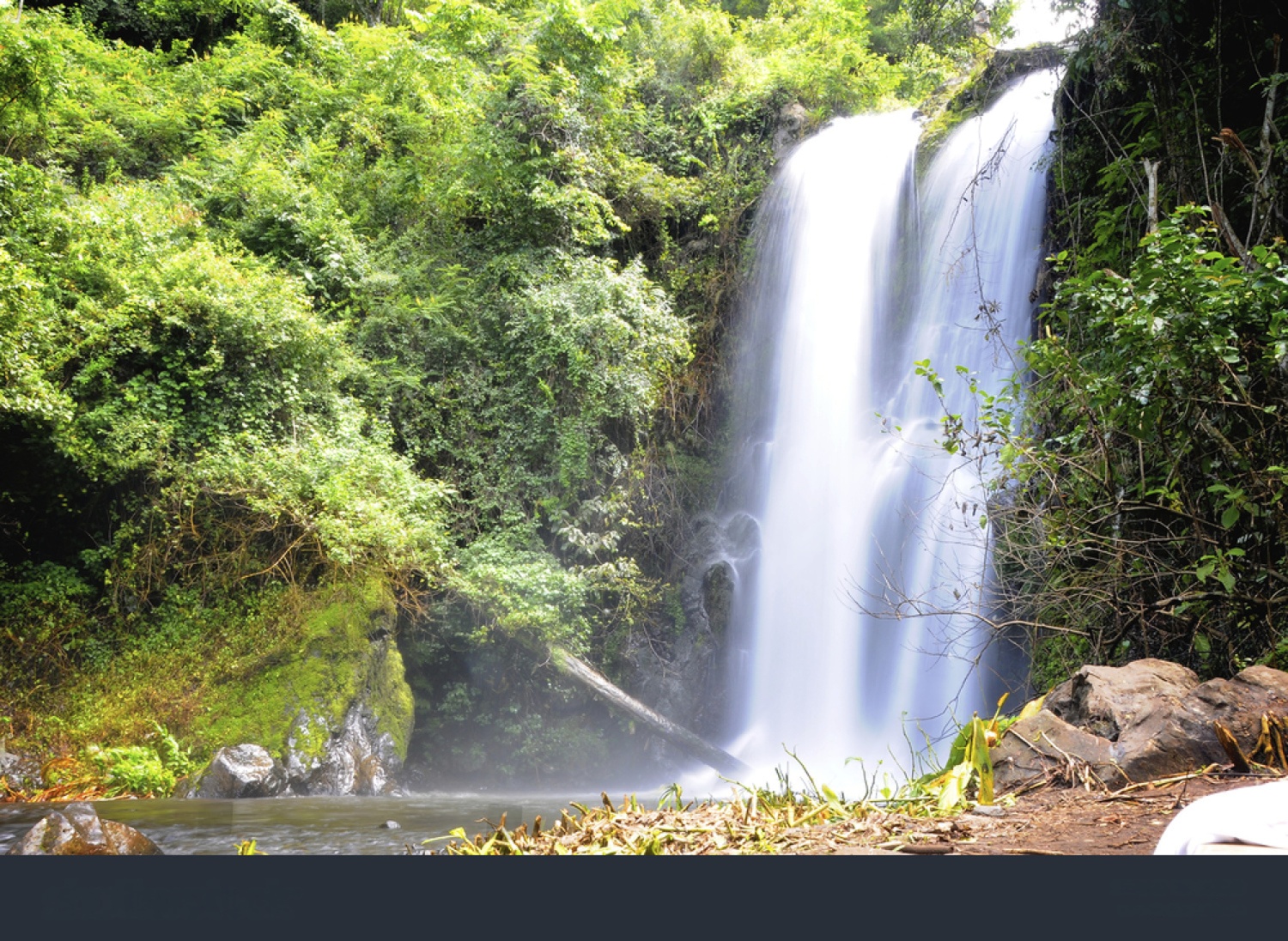
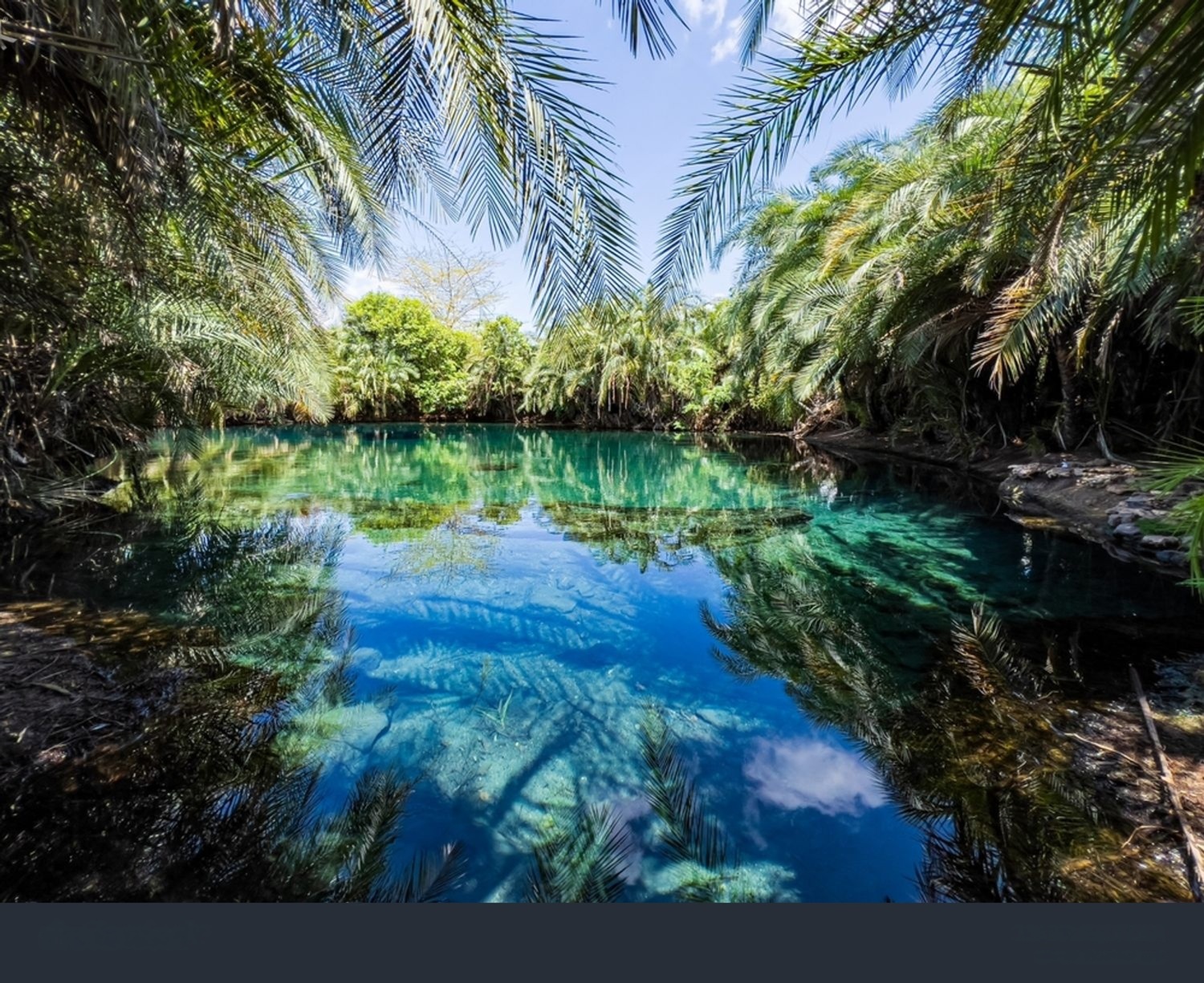
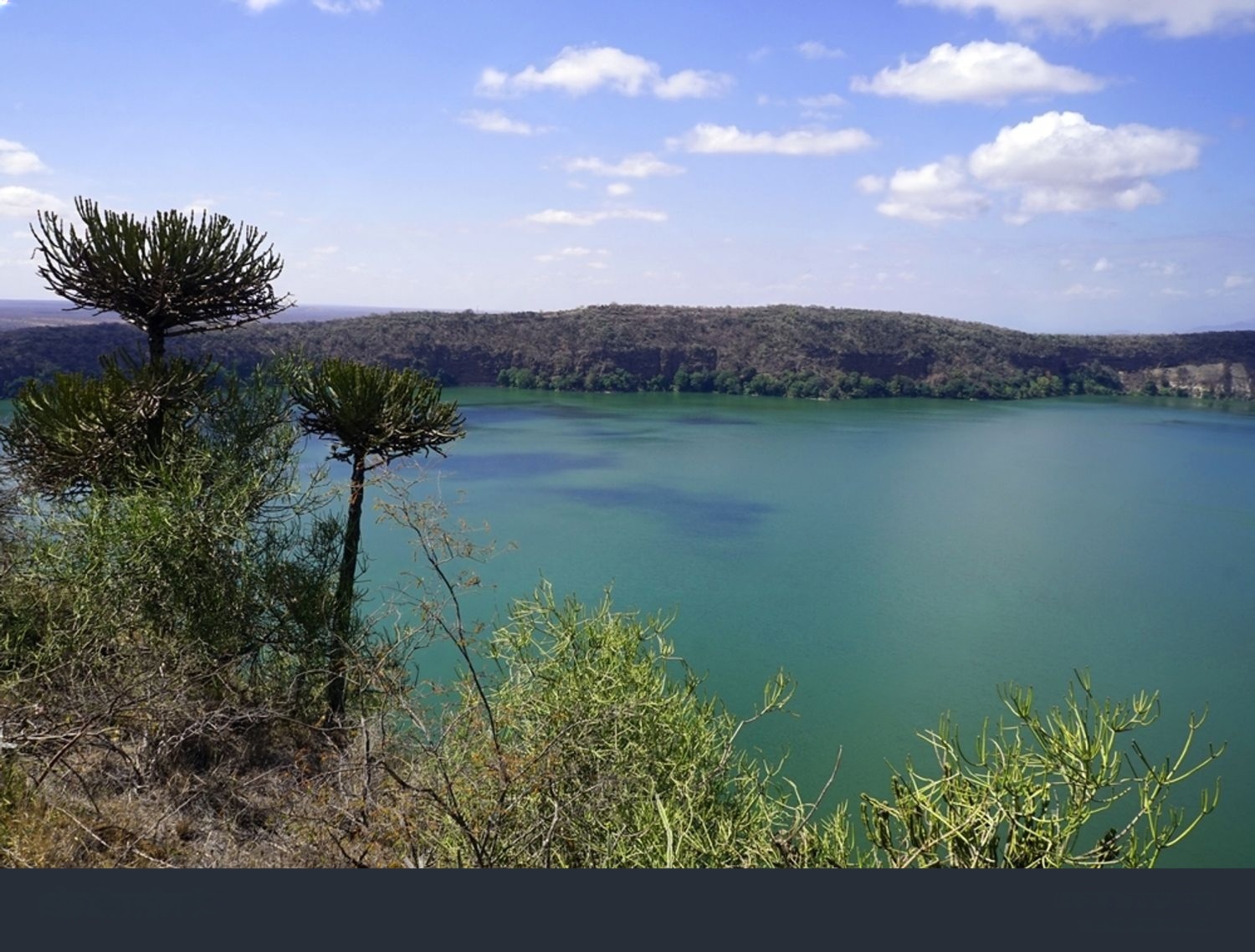
Across sweeping savannahs and rolling plains, acacia trees paint silhouettes at sunset while distant kopjes break the horizon. Forests, freshwater lakes, and sun-drenched valleys form ecosystems that pulse with vitality. From verdant highlands to wild riverbanks, the terrain teaches a traveler that Earth's surfaces are as varied as its stories.
Then, turning away from the wildlife corridors and mountain trails, your journey may lead you to the soft sands of Zanzibar. Here, the ocean's turquoise waters lap against beaches that seem woven from light. Days end not with the roar of lions, but with gentle breezes, sea turtles, and the rhythmic cadence of the tides.
Culture that Beats with Humanity
What truly sets Tanzania apart
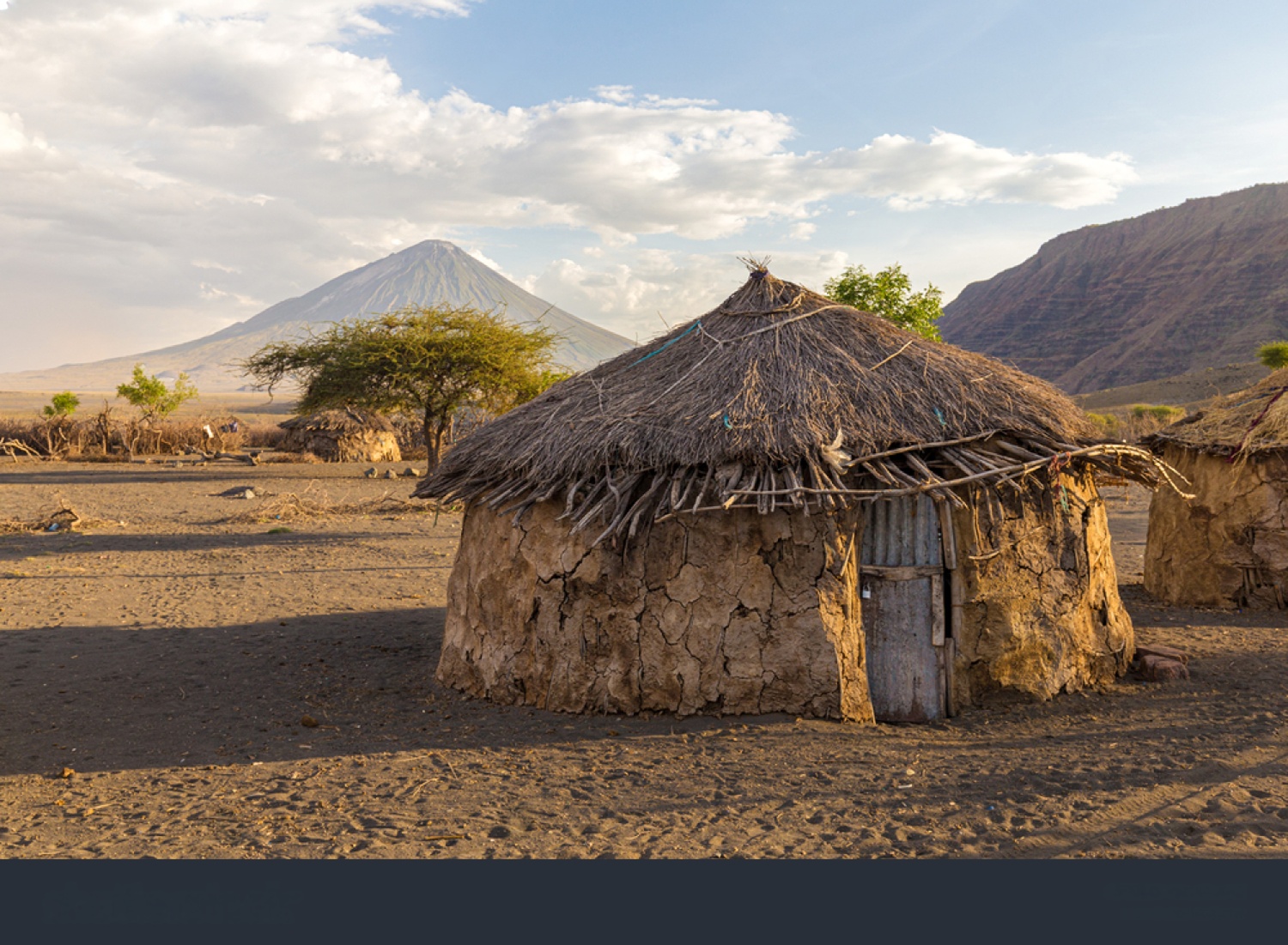
Yet what truly sets Tanzania apart is how human cultures and natural worlds intertwine. The nation is a mosaic of peoples — each with its own language, song, dance, and worldview. In the Maasai villages, traditions have survived centuries, persisting not as relics but as living, breathing ways of being. To meet a Maasai elder, to hear the rhythms of a traditional dance, is to sense history in motion.
Across the coastal islands like Stone Town in Zanzibar, histories converge. Arab, African, Indian, and European influences mingle in the architecture, markets, and cuisine. Spices aren't just flavors but living symbols of the trade routes that shaped this part of the world.
"Here, cultural richness isn't a backdrop for tourism — it is central to the country's identity."
Travel with Purpose
Conservation and Community
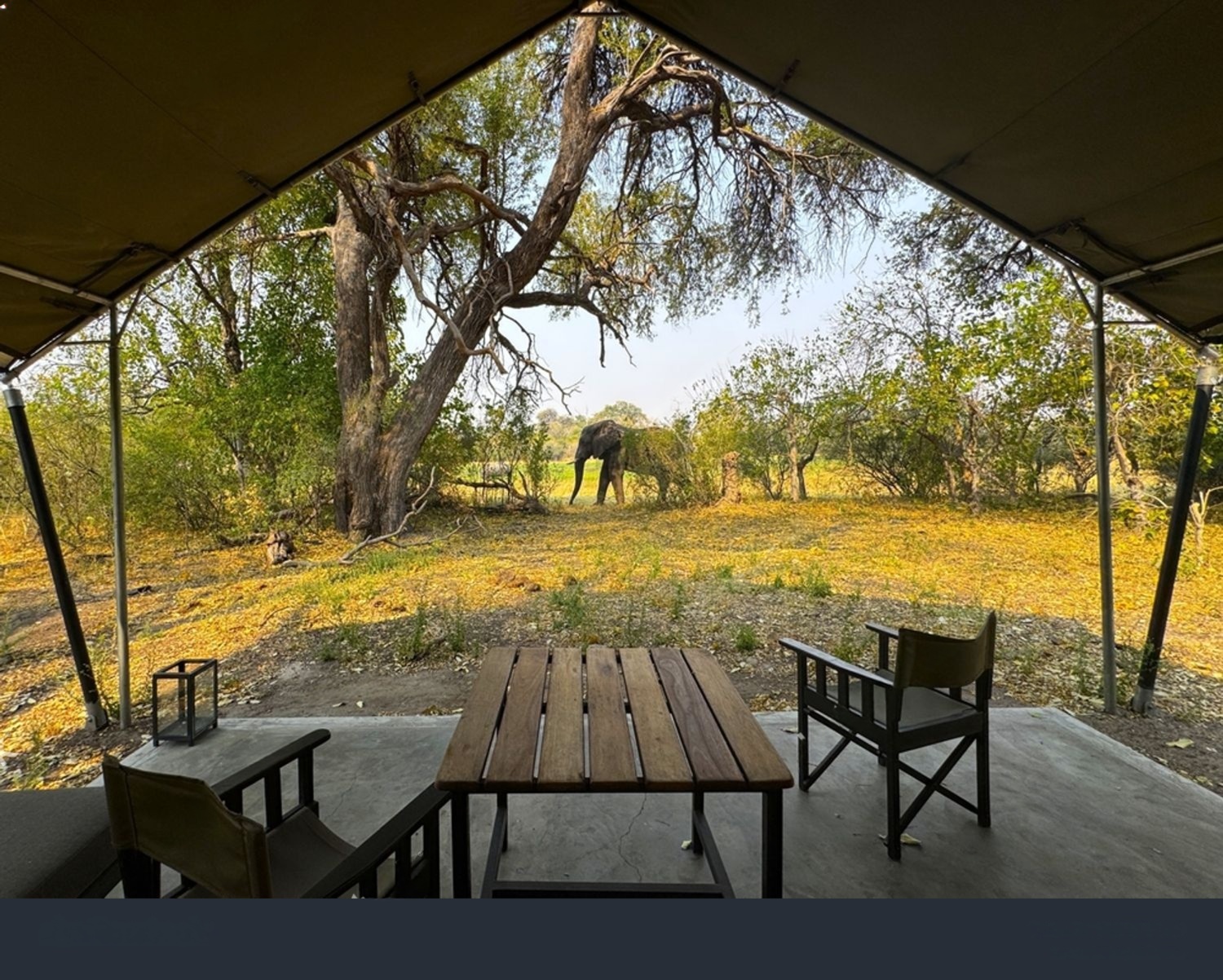
What makes travel to Tanzania particularly meaningful today is its role in conservation and community empowerment. Tourism here doesn't just generate memories, but it also supports rangers, funds habitat protection, and sustains local economies.
Communities involved in eco-tourism gain a shared stake in protecting the very lands and traditions that draw visitors from around the world. By choosing Tanzania, a traveler contributes to landscapes and cultures that might otherwise be vulnerable to change.
Habitat Protection
Tourism funds directly support ranger patrols and anti-poaching efforts across Tanzania's reserves
Community Empowerment
Local communities benefit from sustainable tourism employment, education, and development
Eco-Tourism
Sustainable travel practices preserve Tanzania's natural heritage for generations to come
Tanzania does not promise an easy vacation that can be captured in a few social media posts. It offers something deeper: a reconnection with the natural world, a step into diverse human stories, and a chance to witness life in places that still retain their wildness.
To travel here is to remember what it is to be human — a small part of a larger, beautiful world that still pulses with mystery.
Begin Your Tanzania Journey
Let us help you plan an unforgettable experience through the heart of East Africa
Contact Us Today