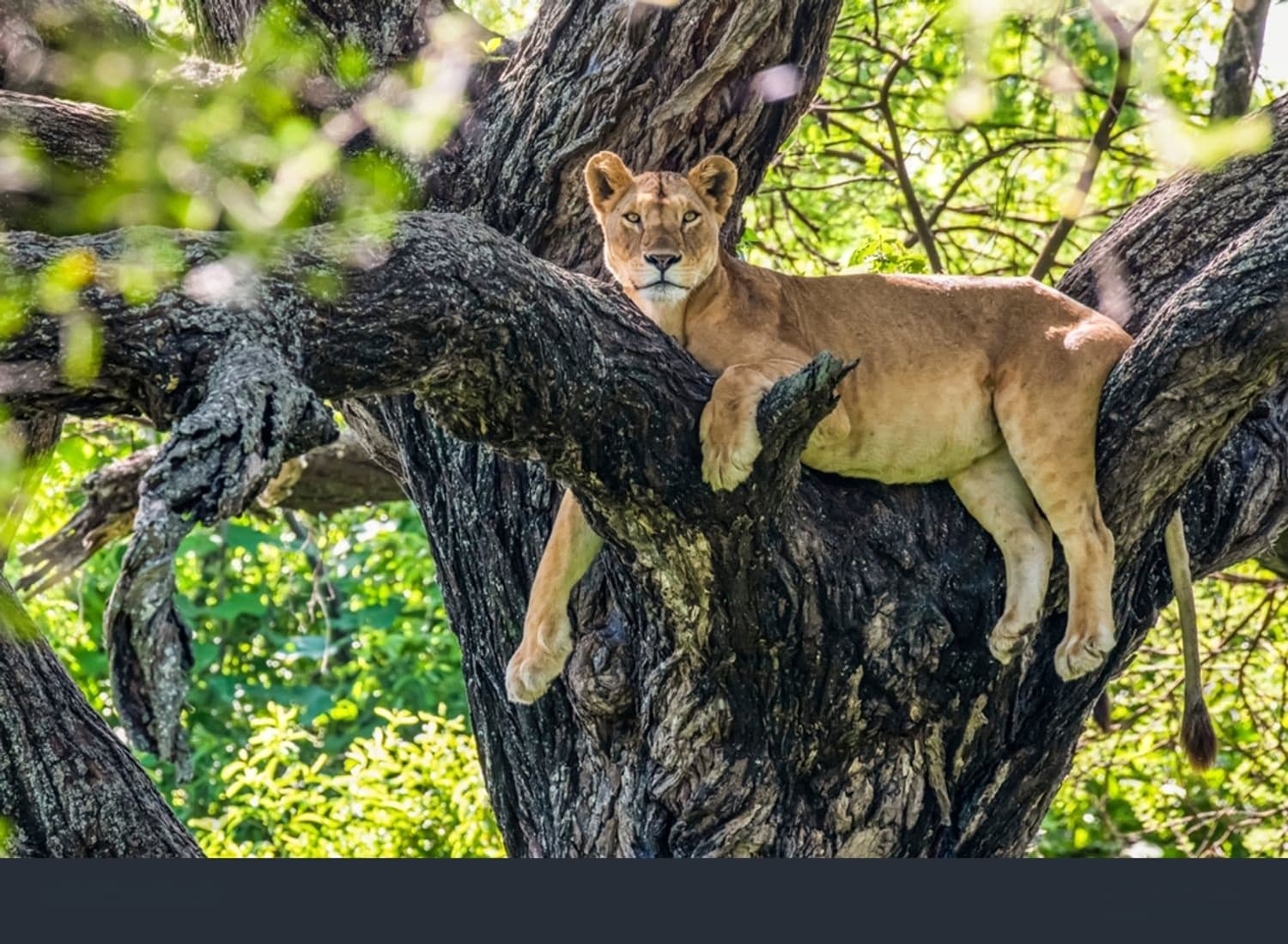
Best Time to Visit Tanzania
Deep season insights and the migration guide
Tanzania's appeal isn't just about where you go — it's about when you go. In this country, seasonal rhythms shape everything: how animals migrate, how skies open or close, how the land breathes into verdant growth or dries into golden plains. Understanding these cycles lets you sync your journey with the deeper pulse of the environment — and unlock richer, more meaningful experiences across safari zones, highlands, and coastal islands.
Seasonal Calendar
The Dry Season: Clarity in Wilderness
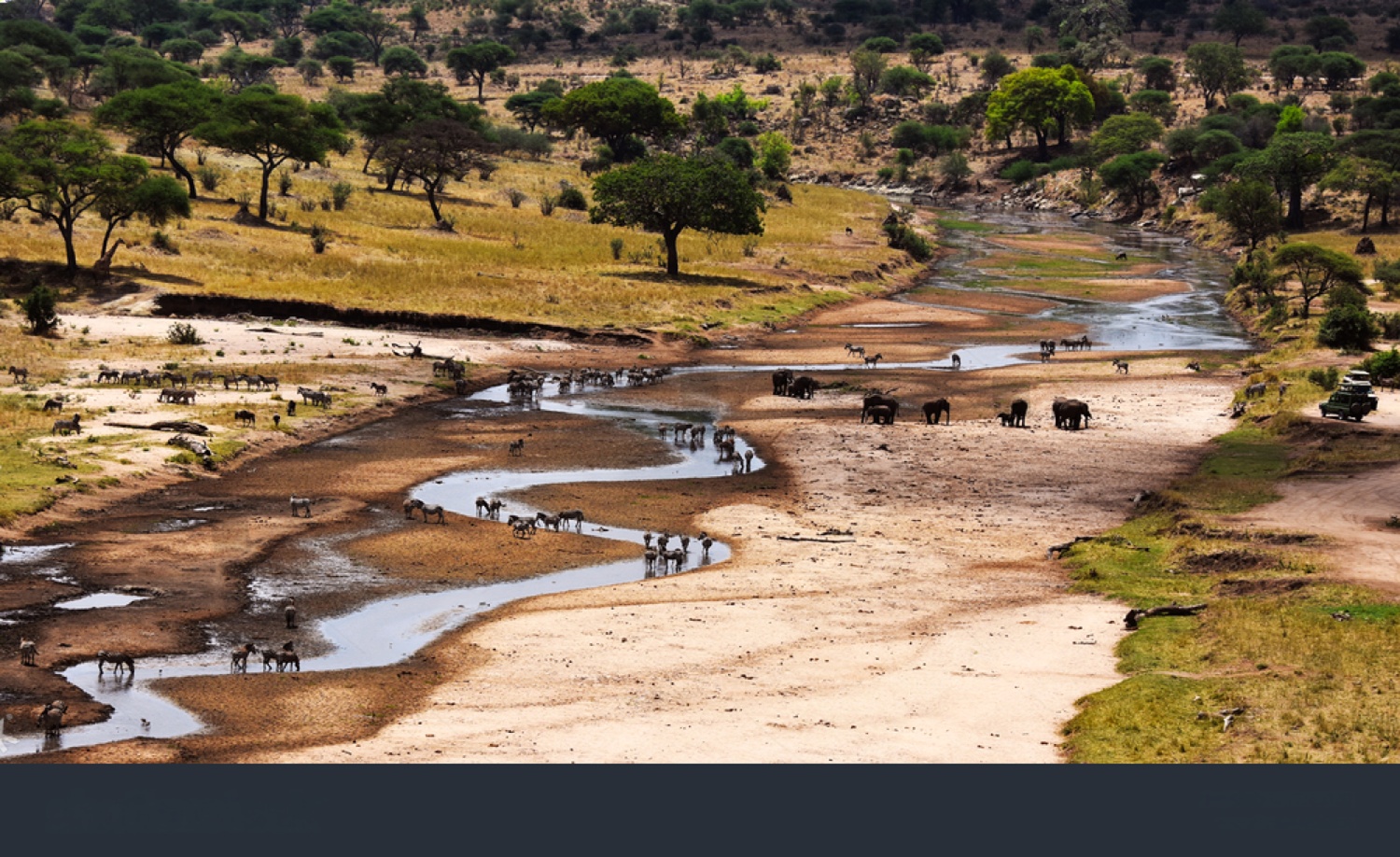
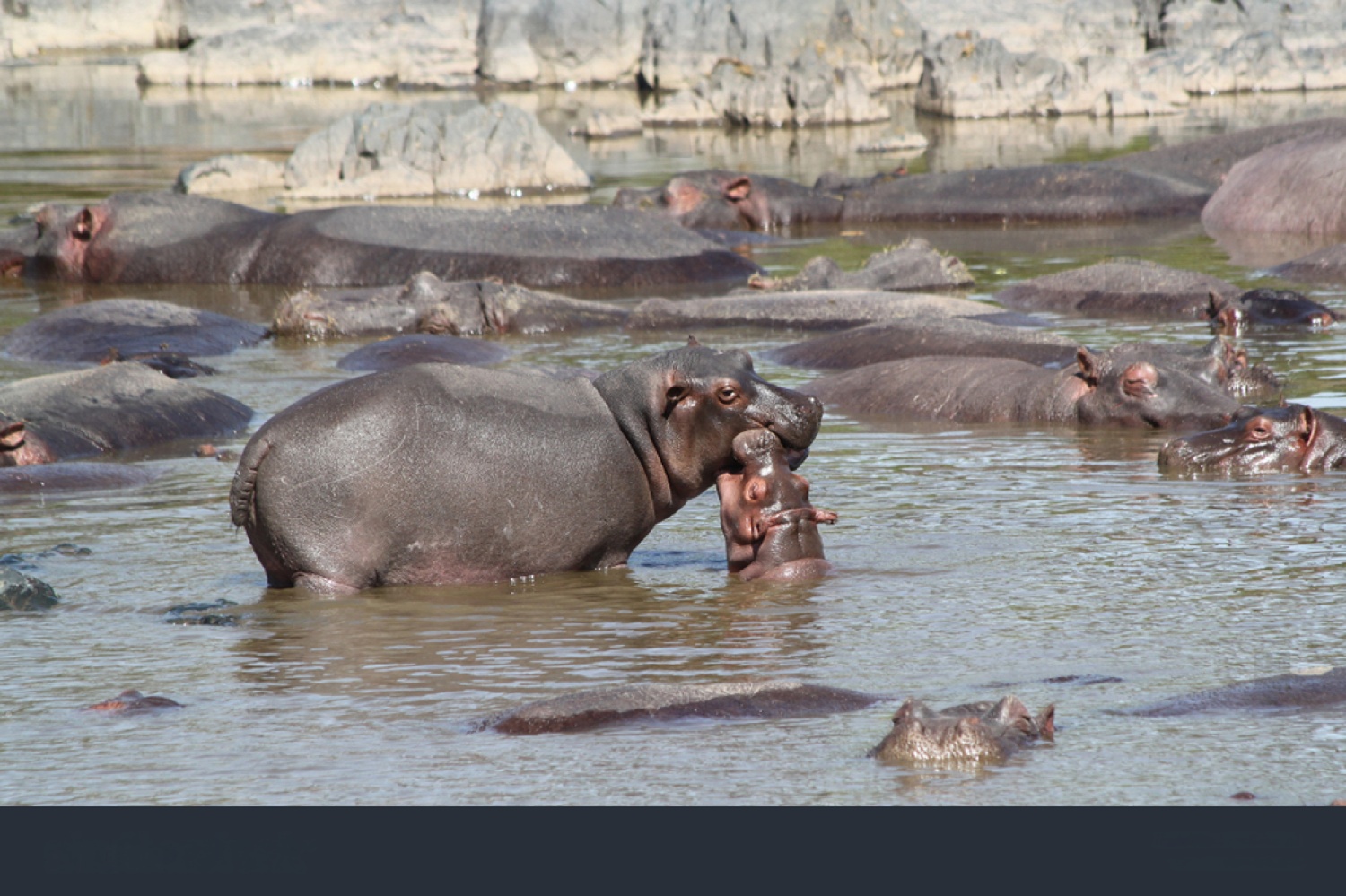
For most first-time visitors and wildlife enthusiasts, the months from June through October represent the most dependable window for safaris, treks, and extended outdoor activities. This is when rainfall is minimal, skies are clear, and the bush opens up in a way that enhances both observation and movement.
Wildlife Visibility
With almost no rain, animals concentrate near remaining water sources. Sparse foliage and shorter grasses make encounters more frequent and easier to spot with guides.
Migration Peak
The famed Great Migration often reaches its most dramatic river crossing moments in the northern Serengeti around July to September, as herds press toward the Mara River.
Overall Conditions
Daytime temperatures are warm, nights can be cool, and mosquitoes are fewer — all factors that favor game drives and extended daylight activities.
For many travellers, this season feels like Tanzania at its most cinematic: open vistas, broad horizons, and wildlife action framing every sunrise and sunset.
Calving Season: Life in Motion
The early months of the year offer a different kind of drama — one rooted in creation rather than endurance. Although rains may fall and landscapes remain green, this period is prime for witnessing beginnings.
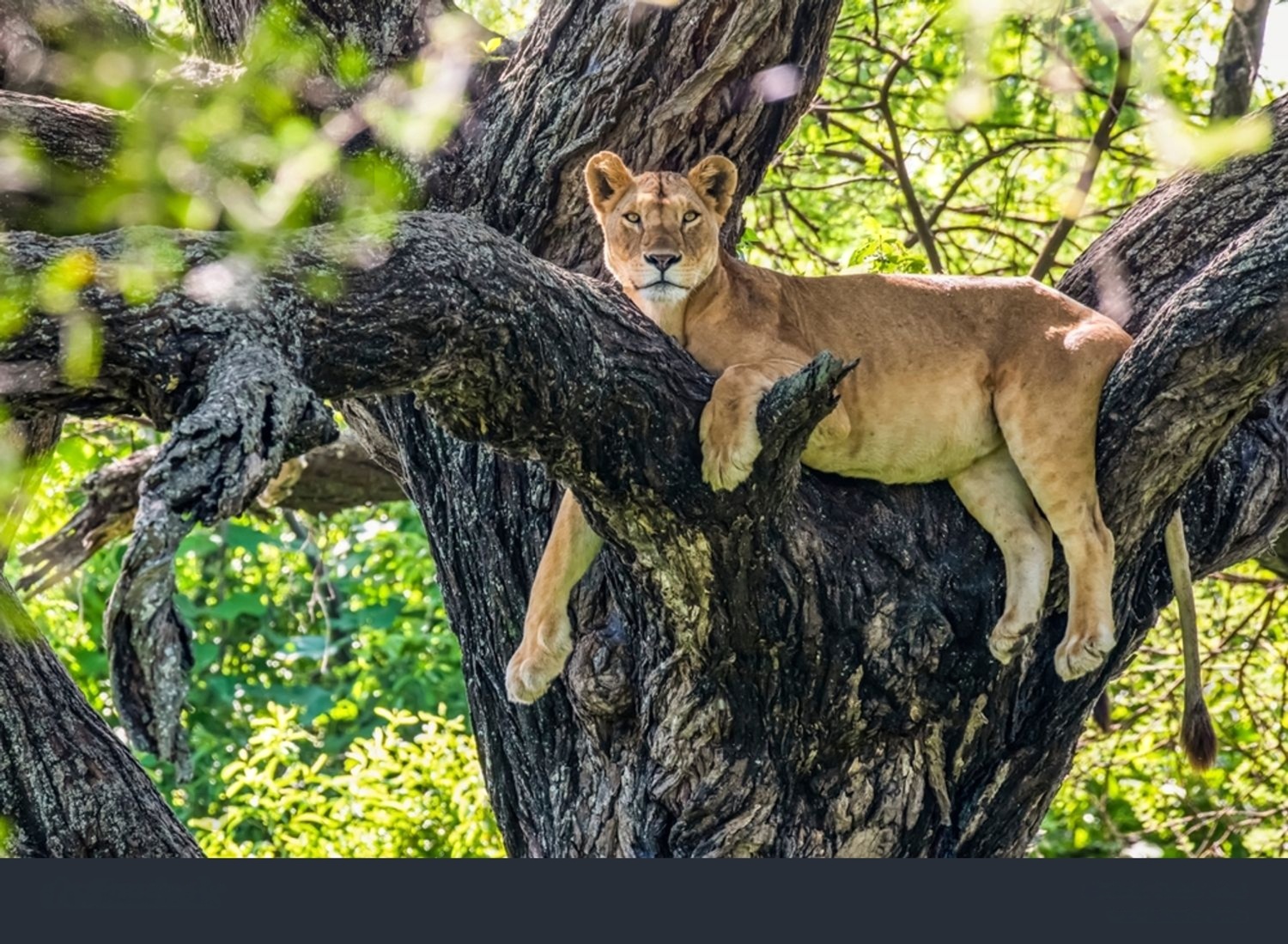
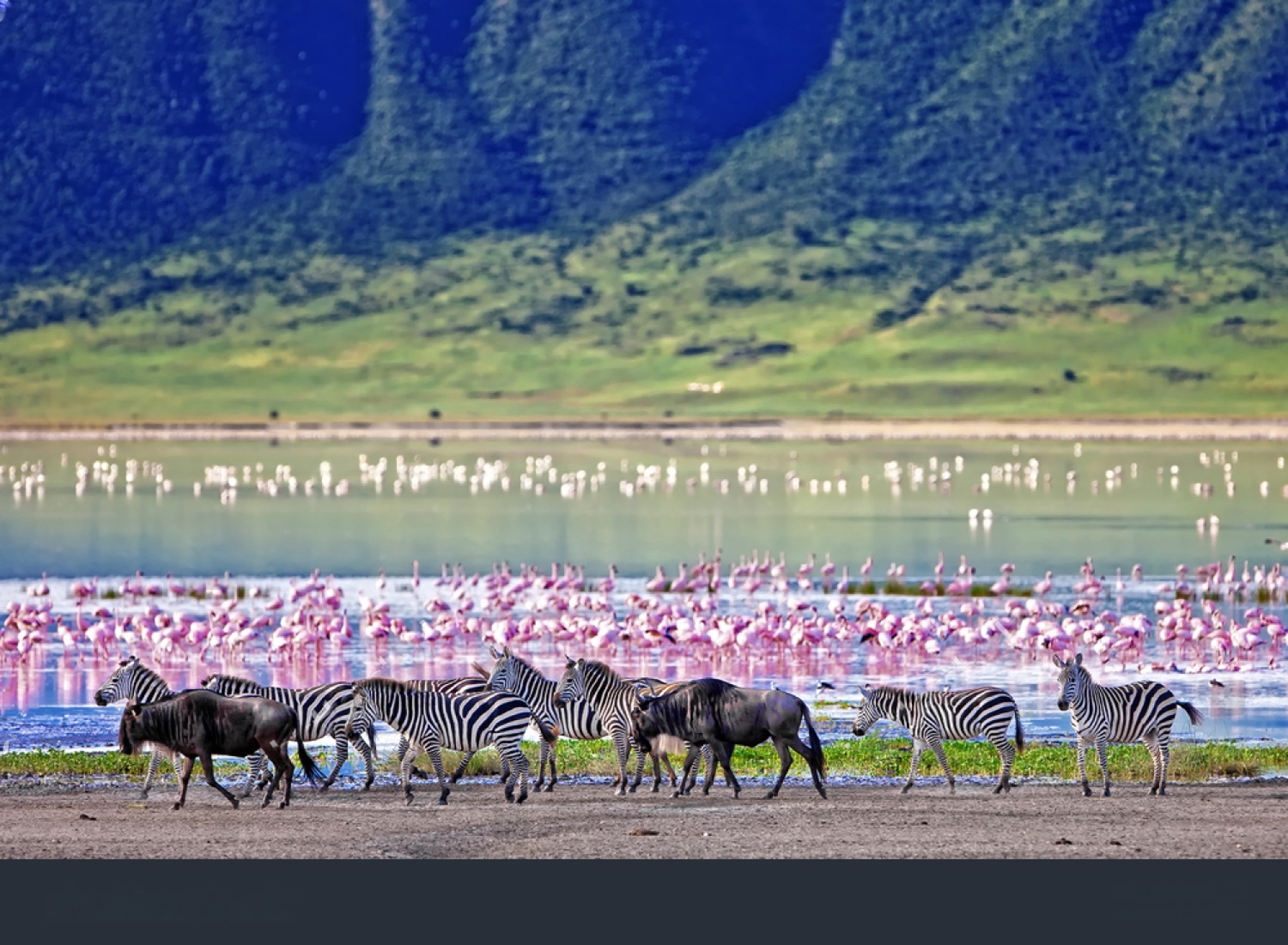
Wildebeest Calving
After months of movement, millions of wildebeest make their way into the southern Serengeti and Ndutu regions. In late January and February, calves are born in astonishing numbers — feeding and shaping predator behaviour.
Intense Predator Activity
With newborns abundant, big cats and scavengers are exceptionally active. This makes January and February especially rewarding for observing predator-prey dynamics in action.
Lush Landscapes
Afternoon showers and early growth create richly coloured vistas — a stark contrast to the dusty plains of the dry months. Many photographers value this time for its vibrant palette and nuanced lighting.
This season isn't about the broad sweep of migration across distances so much as the clarity of life cycles in one concentrated place.
Long Rains: Renewal and Photography Gains
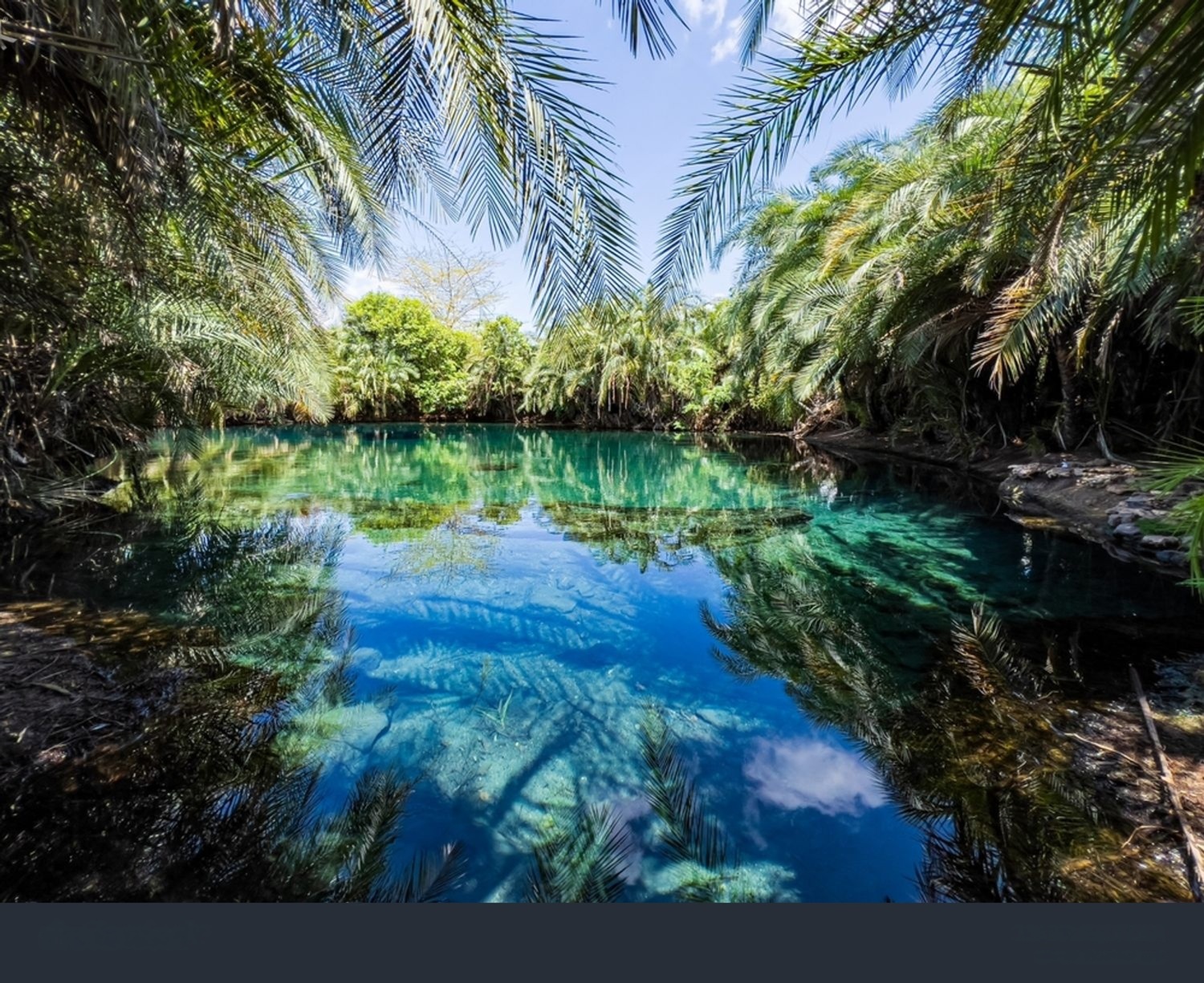
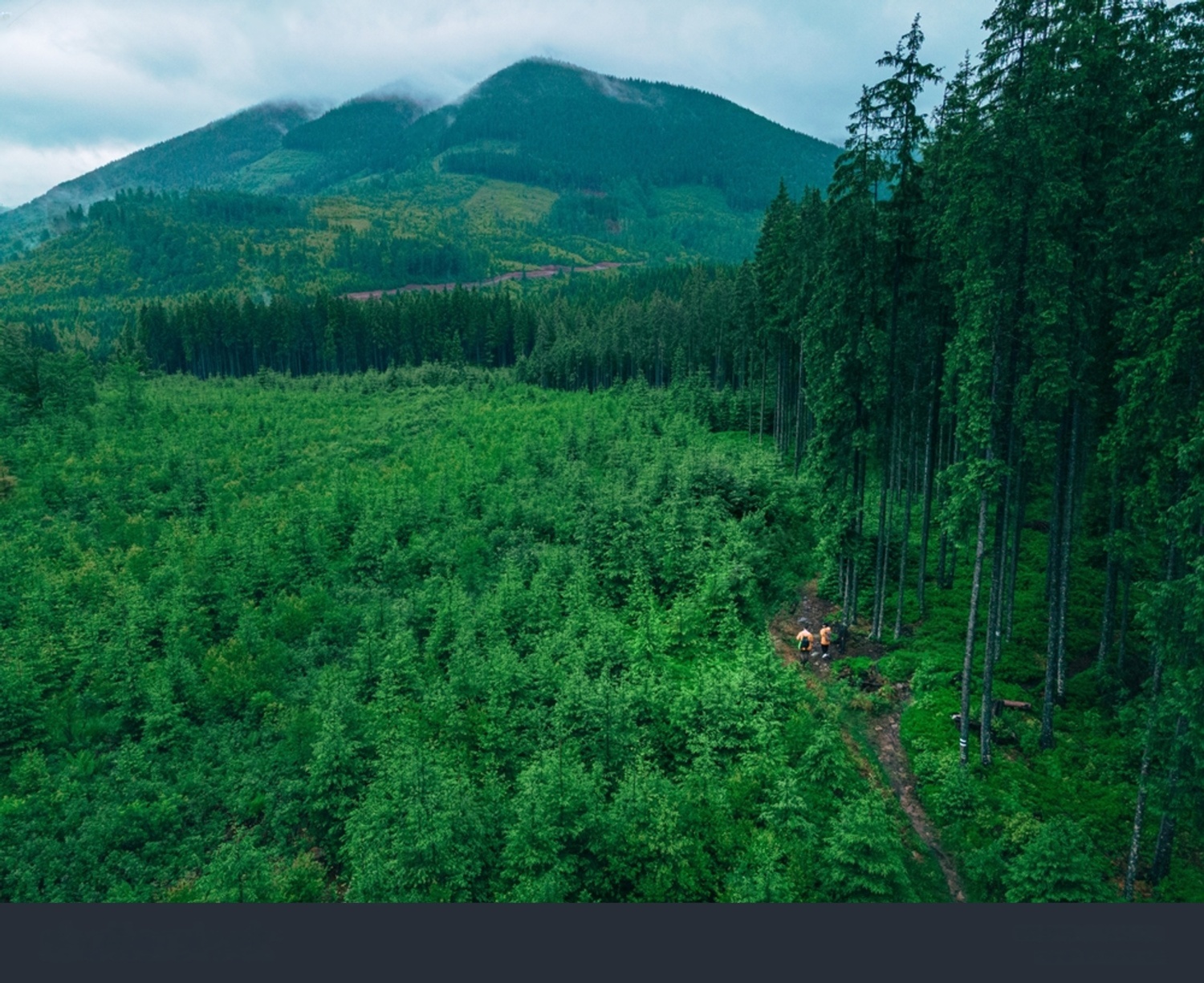
Between the intense rhythms of dry and dryish seasons lies the long rainy period. Though this is less popular with mainstream safari travellers, it holds its own appeal.
Verdant Scenery
Rain transforms savannahs into emerald plains, and waterfalls return with force — creating lush backdrops that are striking in photos and quieter in presence.
Fewer Visitation Peaks
For those seeking solitude in parks like Tarangire, Ruaha, or even parts of Ngorongoro, this window offers reduced crowds and competitive pricing.
Birding Bonanza
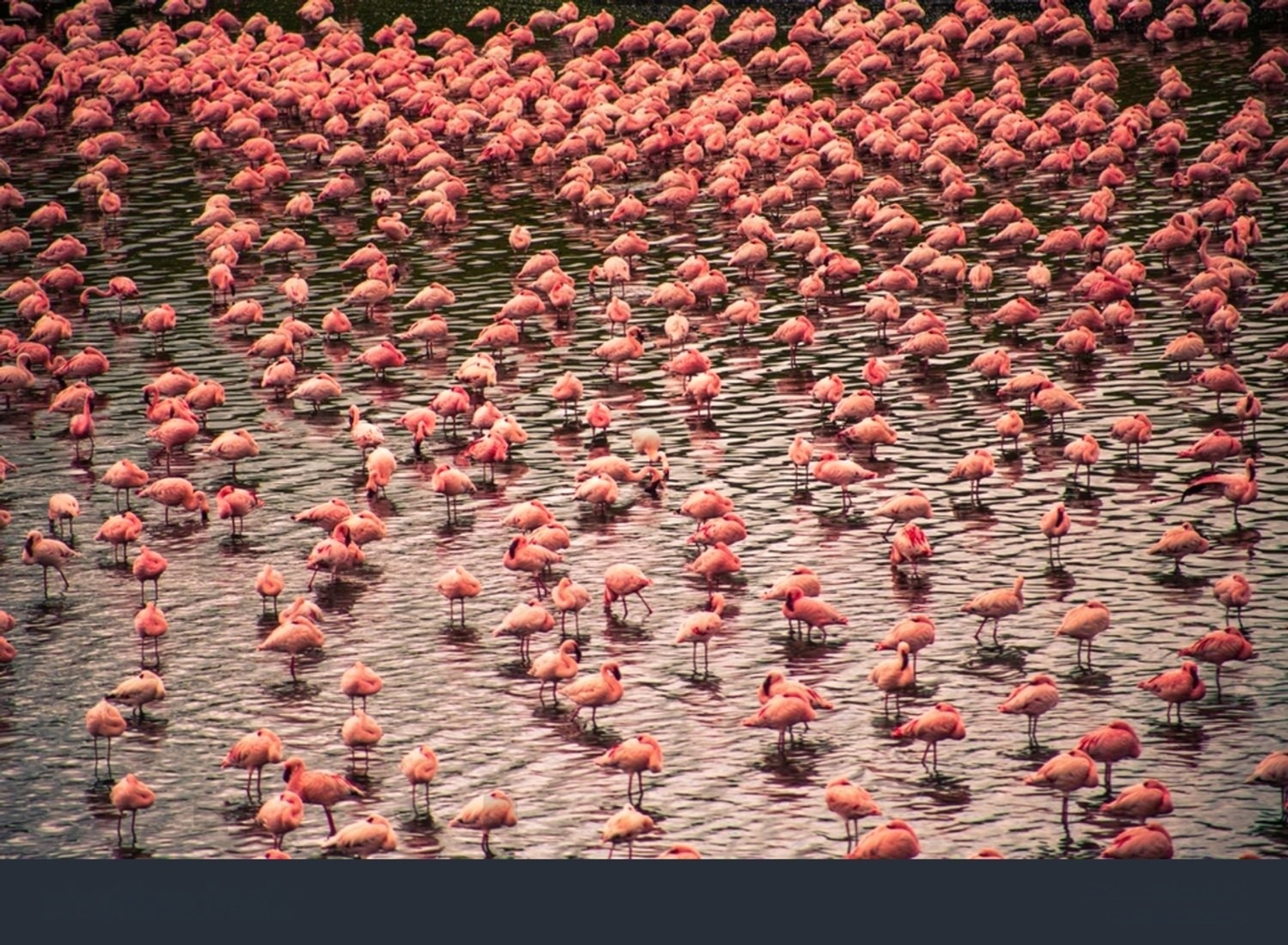
Migratory birds arrive in large numbers, enriching any trek or waterhole stopover with colourful motion and calls.
This period is less about guaranteed big-game success and more about atmospheric depth: bold skies, dramatic light, and a quieter connection with nature.
Short Rains & Shoulder Seasons
Following the dry spell, brief rains develop in November and early December, creating what many guides call the shoulder season.
This time isn't defined by major highs or lows, but by quality without crowds. Safari sites are quieter, lodges have flexible rates, and landscapes maintain a generous green sheen without heavy afternoon storms.
For beach lovers, later December brings back warmth without the intense humidity of January through March.
Zanzibar: Two Great Windows for Island Time
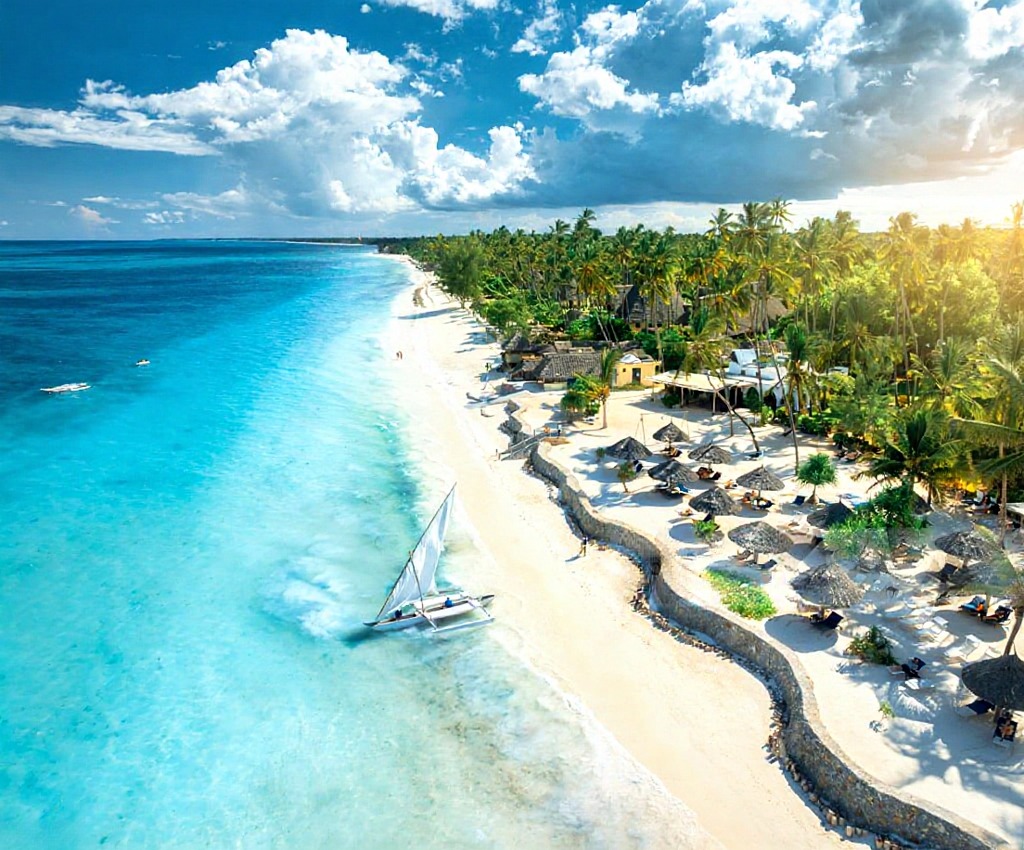
Off the mainland, Zanzibar has its own micro-rhythms, though they align well with the main park seasons.
Peak Island Season
Widely regarded as Zanzibar's best stretch — dry breezes, abundant sunshine, gentle seas, and superb conditions for diving, snorkelling, and coastal relaxation.
Warm & Vibrant
Another excellent window for thermal comfort, swimming with dolphins, and combining beach time with cultural exploration around Stone Town.
Low-Season Retreat
While this is when rains peak, it also means significant cost savings and nearly empty beaches for those who prefer quiet coastal reflection.
Combined itineraries that begin with terrestrial safaris in June through October and finish with Zanzibar beach days are particularly popular — they offer dramatic contrast without climatic dissonance.
Choosing Your Narrative
In Tanzania, the when is almost as meaningful as the where.
Spectacle & Breadth
June — OctoberPeak wildlife presence and dramatic river crossings.
Intimate Drama
January — MarchPredator dynamics and newborn herds in concentrated spaces.
Solitude & Transformation
April — MayLush, reflective, and less congested landscapes.
Coastal Calm
June — October & January — FebruaryThe Indian Ocean's warm embrace pairs perfectly with the dry periods.
Every season is right in its own context — it just depends on the story you want to live while you're here.
Tanzania doesn't ask you to choose the perfect moment. It invites you to find the season that speaks to who you are as a traveller.
Plan Your Perfect Season
Let us help you choose the ideal time for your Tanzania adventure
Contact Us Today